
Back-To-School Safety Tips for Families
As a new school year approaches, many families begin shifting from relaxed summer routines to the structure of early mornings, packed backpacks, and after-school activities. This transition is also an ideal moment to revisit the everyday safety habits that help keep children protected throughout their day. By taking a little time to review practical strategies now, both students and parents can start the year feeling more confident and prepared.
Back-to-school safety covers more than what happens inside the classroom. From the morning trip to school to afternoon activities and time spent at home, there are several points in the day where awareness and preparation can make a meaningful difference. These reminders help set a strong foundation for healthy routines and safe decision-making.
Safe Habits Before the School Day Starts
A child’s journey to school is one of the most important parts of their daily routine. Whether they walk, ride a bike, take the bus, or get a ride from a parent, understanding a few basic principles can help reduce risks and encourage safer commuting habits.
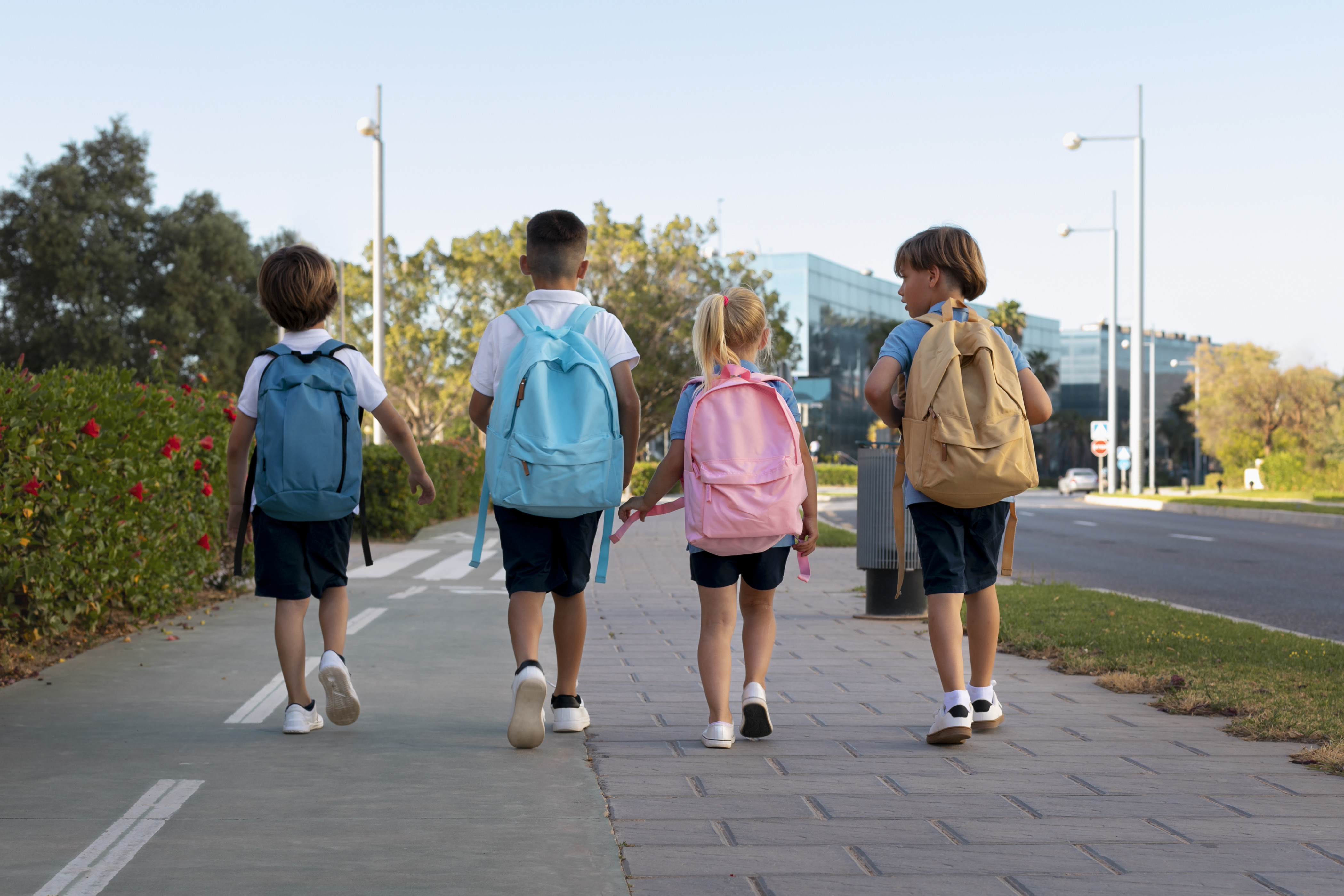
Children who walk to school should use sidewalks when available and always cross streets at marked intersections or crosswalks. Looking both ways is essential, but making eye contact with drivers adds an extra level of awareness. Families may also find it helpful to encourage children to walk with friends or siblings. Having a walking buddy helps students stay attentive and less vulnerable on their commute.
Students who bike to school should always wear a properly fitted helmet. Riding on the right side of the road and traveling with the flow of traffic is key. Children should come to a complete stop before crossing any street and choose paths with lighter traffic when possible. These precautions help create a smoother, safer biking experience.
Bus riders also benefit from reviewing safety expectations. Children should wait several feet back from the curb and only approach the bus once it has come to a full stop. They should avoid walking directly in front of or behind the bus unless they have confirmed that the driver can see them. These habits help reduce the chance of accidents during busy pick-up and drop-off periods.
Parents who drive their children to school play an equally important role in maintaining safe school zones. Slowing down in designated areas, following school drop-off instructions, and never passing a bus that is loading or unloading students are essential practices. Each small action contributes to a safer environment for everyone.
Teen drivers may also benefit from safety reminders during back-to-school season. Conversations about seatbelt use, distracted driving, speed limits, and passenger rules can help reinforce responsible habits behind the wheel.
Building Safe and Healthy School-Day Routines
After students arrive at school, everyday behavior continues to influence their safety and well-being. Establishing consistent routines can help children feel more prepared and confident throughout the day.
Learning how to respond in an emergency is an important part of school readiness. Children should know their full name, home address, and a primary caregiver’s phone number. Many families also place a small laminated card with emergency contacts and medical details inside a backpack. Having this information accessible can be especially helpful if a child needs assistance while away from home.
Healthy habits are another essential part of the school routine. Since classrooms bring many students together, germs can spread more easily. Teaching children proper handwashing techniques and discouraging the sharing of food or drinks can help reduce the likelihood of illnesses spreading throughout the school.
Backpack safety often goes overlooked but is equally important. A child’s backpack should not exceed 15% of their body weight, as added strain can lead to discomfort or long-term issues. Using both shoulder straps helps distribute weight more evenly and supports healthier posture throughout the day.
Bullying prevention is an ongoing priority for families and schools alike. Open conversations about what bullying looks like, how to report it, and who to talk to when something feels wrong can help children feel supported. Knowing they have trusted adults at school empowers students to speak up when needed.
Even labeling personal belongings deserves thoughtful consideration. Instead of placing a full name on the outside of backpacks or lunch boxes, families may choose to use initials or place labels inside items to add a layer of privacy.
Staying Safe After School
Safety planning does not end once the final bell rings. Afternoon routines can be unpredictable, especially for families managing work schedules and extracurricular activities.
Creating a consistent check-in system can help families stay connected. Children who walk home, ride the bus, or arrive home alone can call or message a caregiver once they reach their destination. Some families also use GPS devices or location-sharing apps for added reassurance.
For children who spend time at home without a parent or guardian, setting clear rules is essential. This might include expectations around locking doors, answering the phone, and what to do if someone unexpected comes to the door. Talking through these scenarios in advance helps children respond calmly and confidently.
Internet safety is another important part of after-school life. Reminding children not to share personal details online—including their address, school name, or daily routine—can help protect their privacy. Maintaining open communication about online interactions encourages children to share concerns about suspicious or uncomfortable situations.
Families should also review basic emergency preparedness. Children should know where to go during severe weather, where to meet outside the home in case of a fire, and how to contact an adult if help is needed. Practicing emergency plans ahead of time helps create familiarity and reduces stress during real situations.
The start of a new school year brings fresh routines, new learning opportunities, and plenty of excitement. Taking time to revisit safety habits—before, during, and after the school day—can help families feel ready for the months ahead. If you have questions about keeping your household protected or need guidance on family safety planning and personal insurance, the team at Piper Insurance is always here to support you.