
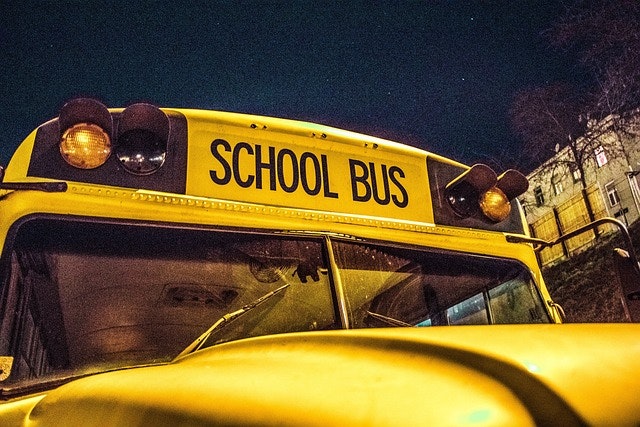
Back-to-School Traffic Safety Awareness for National Traffic Month
The start of the school year brings major changes to daily traffic patterns, making roadway safety more important than ever. As August marks National Traffic Awareness Month, this period offers a timely reminder for drivers, parents, and communities to slow down, stay alert, and prepare for the increased activity surrounding schools. With more students walking, biking, and riding buses, small adjustments in driving behavior can significantly improve safety for everyone.
Each new school year introduces heavier morning and afternoon traffic, additional pedestrians, and a surge of young or inexperienced drivers. By staying mindful of these seasonal shifts, drivers and families can help create safer streets and reduce preventable accidents.
Why the Back-to-School Season Brings Higher Risks
Once school is back in session, traffic levels rise noticeably. Neighborhoods that were quiet during summer become busier with children heading to and from school. Drivers also encounter more congestion near school entrances, where drop-off and pick-up routines increase the chance of sudden stops or unexpected movement.
Younger children may not always understand how to safely navigate traffic or identify dangerous situations. Meanwhile, drivers must adapt to more pedestrians, more bikes, and more distractions. Staying aware of these changes is essential for reducing collisions during this high‑traffic season.
Staying Watchful Around School Buses
School buses keep thousands of students safe, but they also require drivers to exercise added caution. The space within roughly 10 feet of a school bus is the most dangerous area for children entering or exiting. Giving buses extra room allows drivers enough time to react when they stop or extend their safety arms.
Children may dart out unexpectedly or cross the street in ways drivers don’t anticipate. Slowing down, keeping distance, and stopping when buses display their signals are simple but powerful steps that protect young riders.
Sharing the Road With Pedestrians and Young Cyclists
With more children walking or biking during the school year, drivers must stay vigilant—especially near intersections and crosswalks. Always yield to pedestrians and avoid passing cars that have stopped to let someone cross. These habits ensure that people on foot remain visible and protected.
Young cyclists can be unpredictable and may enter the roadway suddenly from driveways or behind parked vehicles. Drivers should remain alert in residential areas and watch for movement along bike lanes or sidewalks.
Even routine actions like opening a car door can pose risks. A quick mirror check for approaching cyclists can prevent serious injuries and keep everyone safe.
Keeping Drop-Off and Pick-Up Zones Safe
School drop-off areas can become chaotic without consistent routines. Following your school’s established procedures helps maintain order and reduces confusion for parents, students, and staff. Predictable patterns make it easier for everyone to move safely through these busy areas.
Avoid stopping in unauthorized areas or creating sudden traffic disruptions. These small decisions help minimize risk and ensure a smoother flow for all families.
Parents and caregivers play a major role in this process. Taking a few extra moments to follow the correct procedure can prevent accidents and create a safer environment around the school campus.
Teaching Kids Safe Habits Around Traffic
Drivers aren’t the only ones responsible for road safety—children also need guidance on how to behave safely near traffic. Young kids, especially those under age 10, benefit from close supervision and repeated reminders about safe crossing habits.
Teach children to stop at the curb, look in both directions, and listen carefully before crossing. Encourage them to use marked crosswalks for better visibility. These simple skills create strong safety habits they can rely on for years.
Protective gear is also essential for children who bike or ride scooters. Helmets, pads, and reduced screen time help minimize injuries and prevent distractions. Developing these practices early helps children become confident and safe road users as they gain independence.
Working Together to Promote Safer Roads
Creating safer school routes is a shared responsibility among drivers, families, and students. Staying attentive, respecting traffic laws, and being considerate of those around you all contribute to safer communities during the busy back‑to‑school season.
Even small actions like driving slower through school zones or checking twice for pedestrians can make a significant difference. These choices reflect a broader commitment to protecting the most vulnerable individuals on our roads.
As routines shift and traffic grows, taking a proactive approach helps reduce risks and ensures that everyone arrives safely at their destination.
Preparing for a Safe and Smooth School Year
The school year doesn’t have to begin with added stress. With awareness, patience, and thoughtful driving habits, families and motorists can navigate this transition safely. Understanding the potential hazards and adjusting behavior accordingly helps keep students and communities protected.
If you have questions about safety, liability, or ways to better safeguard your family, our team at Piper Insurance is here to help. We offer support and insights to keep you informed and confident throughout the school year.